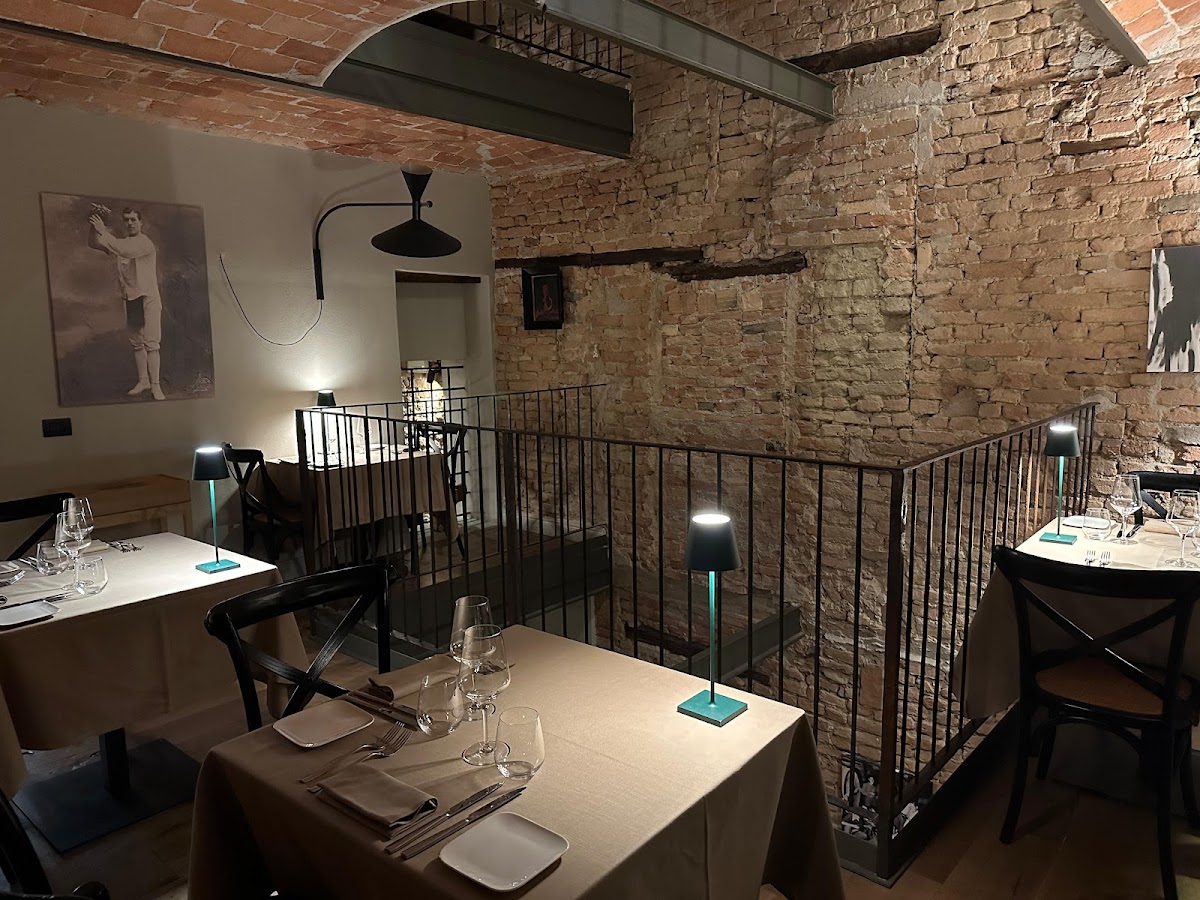
A very cosy atmosphere in a wonderful designed building. Tasty interior design and very friendly and high qualified staff. We had a great dinner. Highly recommend.
Overview
Tucked along Via Principe Amedeo, 45, 14041 Agliano AT, Italy, Al Gatto Verde - Vino E Cucina - Agliano Terme feels less like a restaurant you simply visit and more like a place you discover and immediately want to keep to yourself. I first stopped by on a cool autumn evening after a long drive through the rolling vineyards of Piedmont. The hills around Agliano Terme are famous for Barbera d’Asti, and you can taste that heritage in nearly every glass poured here.
The dining room strikes a balance between rustic charm and understated elegance. Exposed brick, wooden tables, and shelves lined with carefully selected bottles of local wine create a warm, intimate atmosphere. It’s the kind of setting where conversations linger, and courses unfold at an unhurried pace. From what I’ve seen across Italy, especially in smaller wine towns, that relaxed rhythm often signals a kitchen that respects tradition-and this one certainly does.
The menu focuses on seasonal Piedmontese cuisine. During my visit, tajarin pasta with white truffle was the star. The pasta, cut thin and silky, was coated lightly in butter, allowing the shaved truffle to shine. According to data from organizations like Slow Food, which was founded in nearby Bra, Piedmont’s culinary identity centers on local ingredients, short supply chains, and biodiversity. You can see that philosophy in action here. The beef for the battuta comes from local farms, and the hazelnuts-another regional treasure-appear in desserts and sauces.
One dish that stood out was the slow-braised Barbera beef. The process, as explained by the server, involves marinating the meat overnight in red wine, then cooking it gently for several hours at low temperature. This method breaks down connective tissue while preserving flavor, a technique widely supported by culinary science for achieving tenderness without drying out the protein. The result? Fork-tender slices infused with deep, wine-rich notes that mirror the surrounding vineyards.
Wine, of course, is central. The list highlights Barbera d’Asti, Nizza DOCG, and other regional denominations. The staff don’t just recite labels; they explain soil composition, aging methods, and vintage variations in plain language. I asked about a 2018 Barbera and got a mini masterclass on how oak aging affects tannins and aromatic complexity. The explanation aligned with research from the Italian Sommelier Association, which notes that controlled oak maturation enhances structure while preserving fruit character. It’s refreshing to see that level of knowledge delivered without pretension.
Service throughout the evening was attentive but never intrusive. Plates arrived at a comfortable pace, and each dish was introduced with context-where the cheese was sourced, how the sauce was reduced, why a specific wine pairing worked. Real reviews from fellow diners often mention this balance, and I can confirm it’s not exaggerated. The team clearly values hospitality as much as technique.
Dessert brought a hazelnut semifreddo drizzled with warm chocolate sauce. Piedmont produces nearly 40% of Italy’s hazelnuts, and their quality is recognized worldwide. The nutty, creamy texture paired beautifully with a small glass of Moscato d’Asti, lightly sparkling and fragrant. It felt like the perfect expression of place-simple ingredients elevated by care and knowledge.
Location-wise, being in Agliano Terme adds another layer of appeal. Known for thermal springs and vineyard views, the town attracts travelers seeking both relaxation and gastronomy. Dining here after a day of wine tasting or spa visits feels natural, almost necessary. Reservations are recommended, especially during harvest season when wine enthusiasts fill the area.
Of course, menus change with availability, and specific dishes may vary depending on the season. That flexibility is part of the charm but worth noting if you’re traveling for a particular specialty. Still, the commitment to quality remains constant.
What makes this spot memorable isn’t just the food or the wine; it’s the coherence of the experience. Every element-from sourcing to plating to storytelling-reflects a deep respect for Piedmontese culture. In a region crowded with excellent trattorias and enotecas, this kitchen manages to stand out by staying grounded in tradition while delivering refined execution.
Good to know
Service options
✓ Outdoor seating ✓ Dine-in ✓ DeliveryHighlights
✓ Great coffee ✓ Great dessert ✓ Great wine listPopular for
✓ Lunch ✓ Dinner ✓ Solo diningAccessibility
✓ Wheelchair-accessible car park ✓ Wheelchair-accessible entrance ✓ Wheelchair-accessible seating ✓ Wheelchair-accessible toiletOfferings
✓ Alcohol ✓ Beer ✓ Cocktails ✓ Coffee ✓ Healthy options ✓ Late-night food ✓ Spirits ✓ Vegetarian options ✓ WineDining options
✓ Lunch ✓ Dinner ✓ Dessert ✓ Seating ✓ Table serviceAmenities
✓ ToiletAtmosphere
✓ Casual ✓ Cosy ✓ Quiet ✓ Romantic ✓ TrendyCrowd
✓ Groups ✓ TouristsPlanning
✓ Lunch reservations recommended ✓ Reservations required ✓ Dinner reservations recommended ✓ Accepts reservationsPayments
✓ Credit cards ✓ Debit cards ✓ NFC mobile payments ✓ Credit cardsParking
✓ Free of charge street parking ✓ Free parking lotPets
✓ Dogs allowedPhotos
1 / 4
Location
Reviews
- No ratings yet 195 reviews
Food vine and service were outstanding. We had a reservation for dinner and it was great . The taste of the pasta was superb. The inside of the restaurant is already nice but the outside is a dream: little romantic garden with a few chairs and tables. Full recommendation. Grazie mille to the entire team for this amazing dinner
A excellent place with very nice service and food ! We ate super nicely and the place is beautiful!
What a fantastic place! Great food, wine and serviceminded hosts. I will for sure be back, this have been a true pleasure.
Excellent food and wine. Good service and great atmosphere. Will definitely recommend.
A rare experience hidden in a small town. Cured selection of plates and wine wisdom.
Amazing! Would recommend to anyone who is nearby or visiting. Beautiful special first meal, grazie!